A death pile is unlisted inventory that builds up when you buy faster than you list. Tracking is what ended mine: when every sourcing trip shows what it cost and what has sold, unlisted items show up as money sitting idle, and that pressure gets them listed.
I built Autotabit to make tracking easy. And it worked—pulling orders, syncing inventory, logging sourcing trips all became simple. So why do I still feel this weird urgency to stay ahead of it?
That anxiety accidentally changed everything about how I resell.
Before tracking felt like a chore. Something I'd catch up on "later." The result? A death pile that took over my workspace, unlisted items everywhere, and no idea which sourcing trips were actually profitable.
Now? No death pile. Faster listing. Better consistency. And it wasn't discipline or willpower that got me here—it was accidental habits that formed because I didn't want my tracking to fall behind.
Quick Habit Checklist
- Sync inventory before items sell — The anxiety of accurate data creates urgency that keeps you current.
- Buy shipping labels before pulling orders — Your order data includes actual shipping costs, not zeros.
- Log sourcing trips immediately — Record every trip as soon as you get home, even dry runs.
- Let tracking anxiety drive listing — Items tracked but not listed create pressure that prevents death pile buildup.
- Review your ROI weekly — Seeing real returns reinforces the habits and shows which sources are worth your time.
What My Workspace Used to Look Like
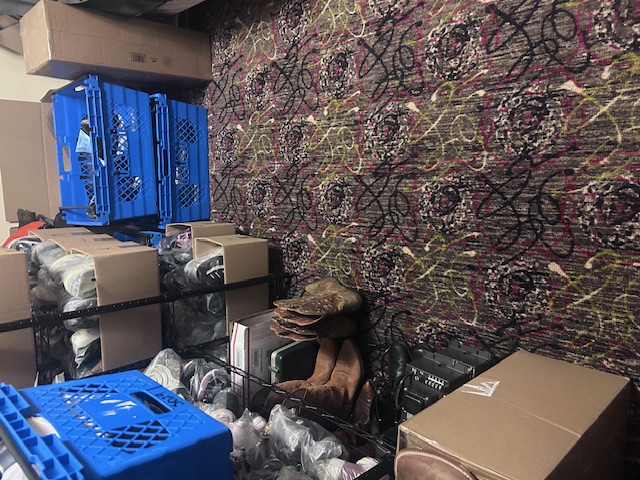
This is embarrassing, but here's the truth. This was my "inventory system" before I got serious about tracking:
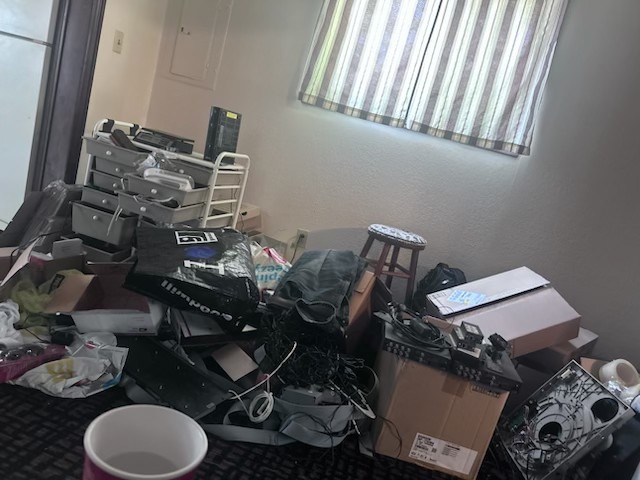
Before: The Death Pile
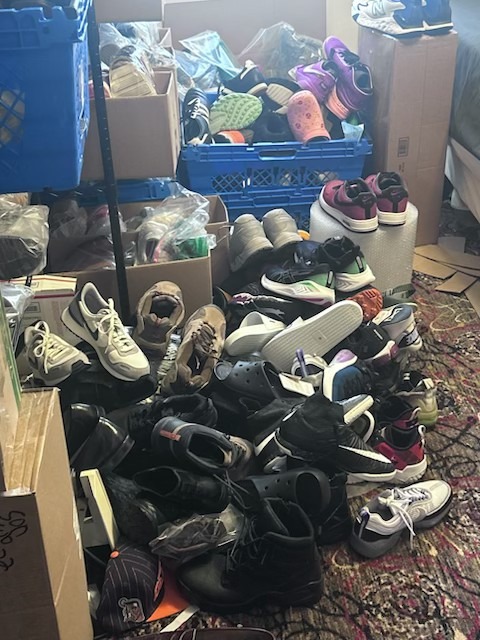
Before: Shoes Everywhere
Boxes stacked to the ceiling. Shoes piled on the floor. Items I'd bought weeks ago that I couldn't even remember sourcing. Every reseller knows this feeling—you buy faster than you list, and suddenly your workspace looks like a storage unit exploded.
The worst part? I had no idea if any of it was profitable. I was just... accumulating stuff and hoping it would sell eventually.
The Accidental Habits That Changed Everything
When I started using Autotabit consistently, something unexpected happened. The tool made tracking easy, but I developed this weird anxiety about staying ahead of it.
Habit #1: Sync Before Sales
Autotabit has fallbacks if something sells before I sync inventory. It still captures the sale correctly. But I find myself rushing to sync anyway—like I need the data to be clean before anything sells.
This sounds irrational, and maybe it is. But that urgency means my inventory is always current. I always know exactly what's listed and what isn't.
Habit #2: Labels Before Pulling Orders
Same thing with orders. I make sure to buy my shipping labels before pulling order data into Autotabit. Why? Because I want the actual shipping cost in the data, not a zero that I'd have to update later.
Again—Autotabit makes it easy to update shipping costs after the fact. But I don't want to. That anxiety about having complete data pushes me to handle shipping immediately after a sale. (Shipping mistakes taught me the hard way how much those costs matter.)
Habit #3: Log Trips Immediately
After every sourcing trip, even before I unpack, I'm logging it. Date, store, what I spent, mileage. Even dry runs where I didn't buy anything.
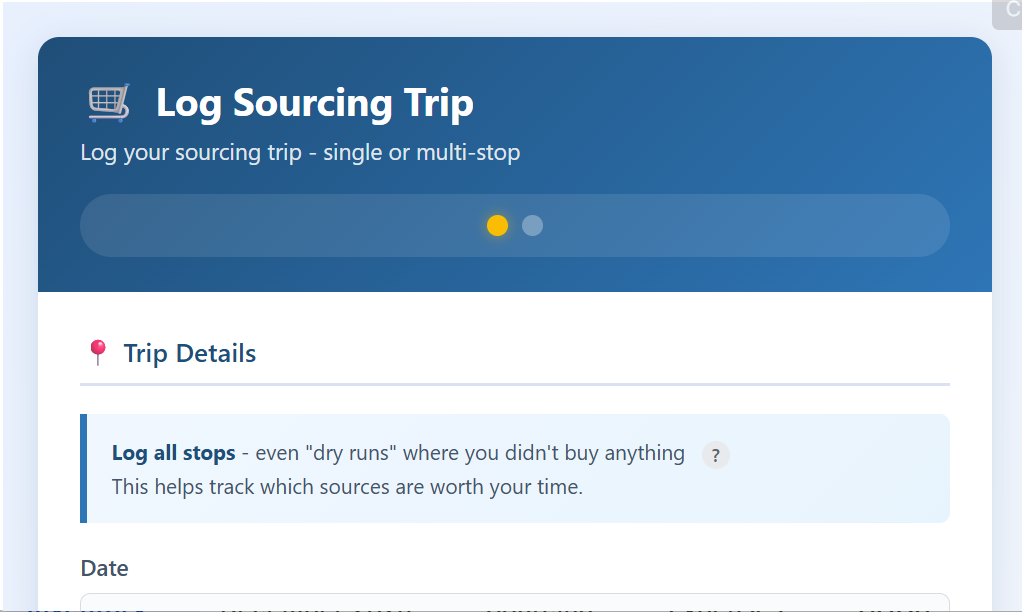
Even dry runs get logged—it helps track which sources are worth your time
I used to think "I'll remember this later." I never did. Now the habit is automatic—get home, log the trip, then unpack.
Logging trips where you didn't buy anything seems pointless. But that data tells you which stores waste your time. If a store produces three dry runs in a row, you know to skip it. You can't optimize what you don't track.
The Unexpected Result: No More Death Pile
Here's what I didn't expect: these tracking habits killed my death pile.
When you log a sourcing trip, those items show up as money spent with no return yet. Seeing "$35 spent, 0 items sold" creates this itch to get those items listed. The longer they sit, the more that number bothers me.
That pressure—totally self-imposed, totally irrational—drives me to list faster. Items don't pile up because I can't stand seeing them as dead weight in my tracking.
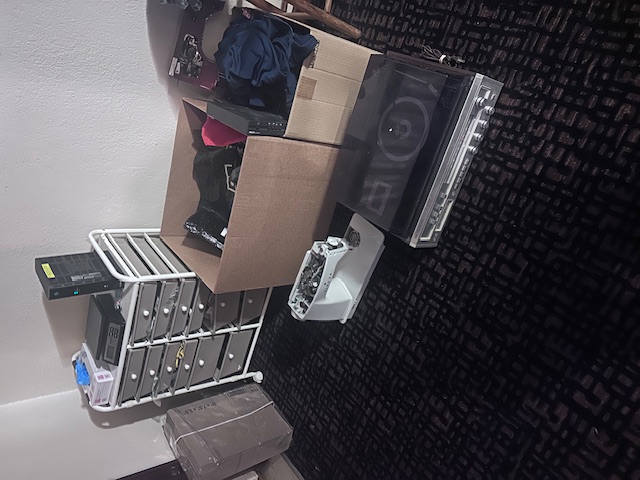
After: Organized System
After: Items Staged to List
Same space. Completely different operation. Items come in, get logged, get listed, get sold. The flow actually works now.
The Numbers That Keep Me Going
The other thing that reinforces these habits? Seeing actual ROI on my sourcing trips.
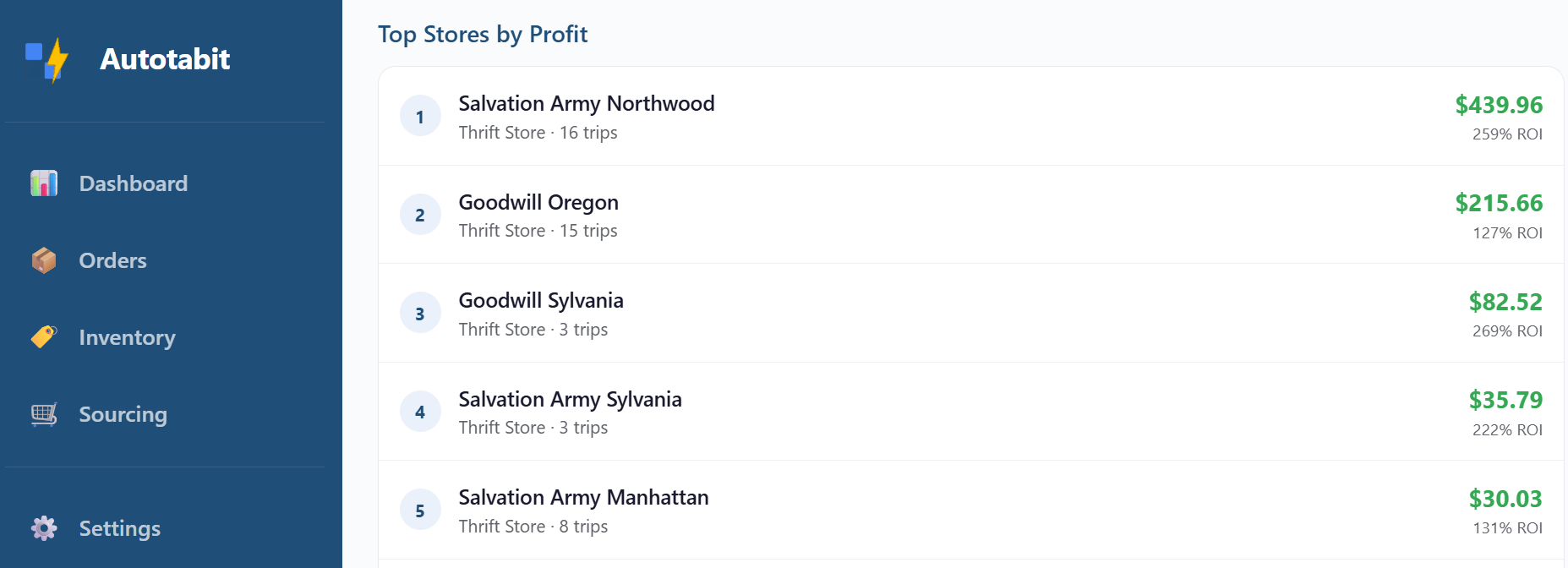
Real ROI from tracked sourcing trips
374% ROI. 479% ROI. One trip hit 3,671%—spent $2.12 and made $77.83 profit. (Here's a breakdown of what a good sourcing trip looks like.)
You don't get these numbers by accident. You get them by tracking every trip, tagging items to their source, and understanding what profit actually means.
And once you see those numbers, you want to keep seeing them. The tracking becomes its own reward.
What I Do Now
My daily routine isn't complicated, but it's consistent:
- Morning: Check sales, buy labels for any orders, pull order data
- After sourcing: Log the trip immediately when I get home—before unpacking
- Before listing: Sync inventory so I know exactly what's active
- Weekly: Review sourcing trip ROI to see what's working
None of this takes long. The habits are small. But they compound into something bigger: a reselling operation that actually runs smoothly instead of drowning in chaos.
The irony isn't lost on me. I built a tool to make tracking easier, and what actually changed my business was the anxiety about keeping that tracking current. The habits formed accidentally—but they're the reason I don't have a death pile anymore.
Frequently Asked Questions
What is an eBay death pile?
A death pile is unlisted inventory that accumulates when resellers buy faster than they list. It's called a death pile because it sits there, taking up space, not making money, and slowly draining your motivation. Every reseller has had one at some point.
How do I prevent a death pile from forming?
The key is building habits that create urgency to stay current. When you track sourcing trips and inventory consistently, unlisted items create mental pressure. That pressure naturally motivates you to list faster, preventing buildup before it starts.
Why does tracking help with listing consistency?
When you track sourcing costs and tag items to trips, unlisted items show up as money sitting idle. Seeing a trip with $35 spent and 0 items sold creates anxiety to get those items listed. That anxiety becomes a habit loop that drives consistent listing.
How long does it take to build reseller habits?
Research suggests habits take 60-90 days to become automatic. But the key isn't willpower—it's creating systems that make staying current feel urgent. Once tracking becomes routine, the habits that prevent death piles form naturally.
Should I track dry runs when sourcing?
Yes. Logging trips where you didn't buy anything helps you identify which sources aren't worth your time. If a store consistently produces dry runs, you know to skip it. This data is just as valuable as tracking your wins.
Kill Your Death Pile With Better Tracking
Autotabit syncs your eBay orders, tracks sourcing trips, and shows your real ROI automatically.
Start FreeQuestions about tracking or building better reseller habits? Contact me using the link in the footer — I read every message.